Operation Pawan
पवनWind
A peacekeeping deployment that became India's longest counter-insurgency abroad.
- Dates
- 1987 – 1990
- Theatre
- Northern and Eastern Sri Lanka
- Services
- IAF · Army · Navy
Summary
Operation Pawan (Sanskrit: कार्यवाही पवन Kãryvãhi Pavan, lit. "Operation Wind") was the code name assigned to the operation by the Indian Peace Keeping Force (IPKF) to take control of Jaffna from the Liberation Tigers of Tamil Eelam (LTTE), better known as the Tamil Tigers, in late 1987 to enforce the disarmament of the LTTE as a part of the Indo-Sri Lanka Accord.
Objective
Disarm the LTTE and enforce the Indo-Sri Lanka Accord as the Indian Peace Keeping Force.
Outcome
The mandate collapsed into open fighting within months of arrival. The IPKF withdrew in March 1990 with the accord unfulfilled. It remains the most sobering entry in the modern record, and its lessons shaped Indian doctrine on intervention.
Losses — contested
Around 1,200 Indian soldiers were killed. Sri Lankan civilian casualties during the deployment are contested and were the subject of lasting criticism.
Equipment
What it was conducted with
4 catalogued platforms recorded as taking part. Not exhaustive — it lists what this catalogue holds, not everything that was fielded.
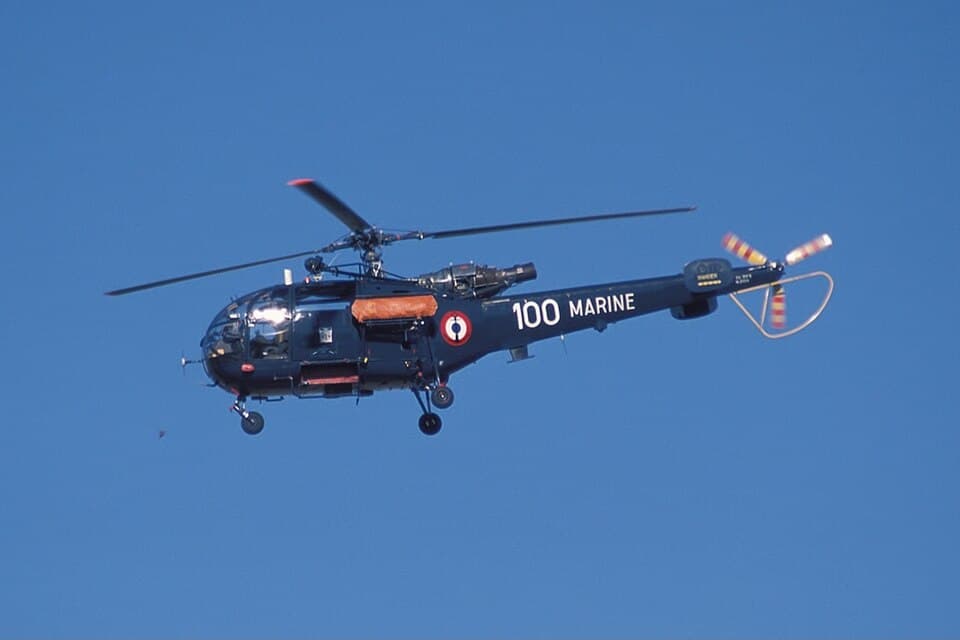
Indian Air Force
SA 316/SA 319 Alouette III
Single-engine, light utility helicopter developed by French aircraft company Sud Aviation.
- Role
- Light utility helicopter
- In service
- 1962 — present
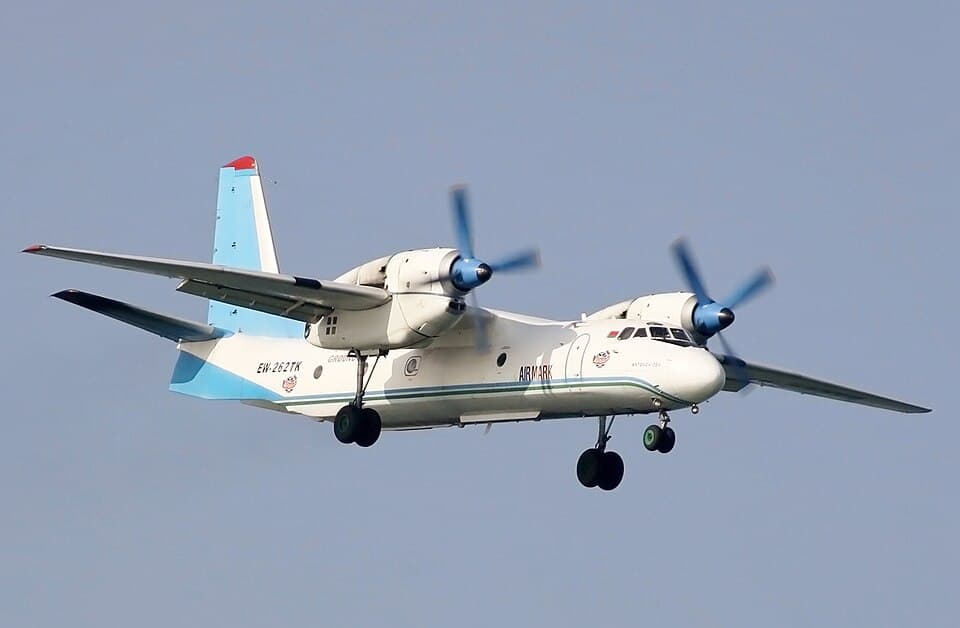
Indian Air Force
Antonov An-32
Sutlej
Turboprop twin-engined military transport aircraft.
- Role
- Military transport aircraft
- In service
- 1984 — present
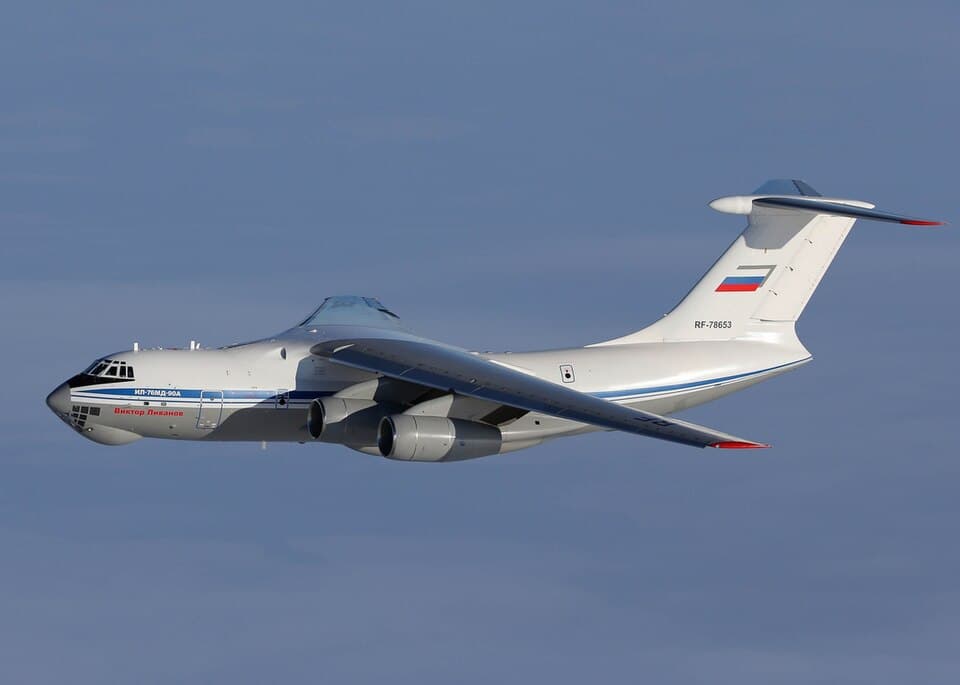
Indian Air Force
Ilyushin Il-76
Gajraj
Multi-purpose, fixed-wing, four-engine turbofan strategic airlifter designed by the Soviet Union's.
- Role
- Strategic and tactical airlifter
- In service
- 1985 — present
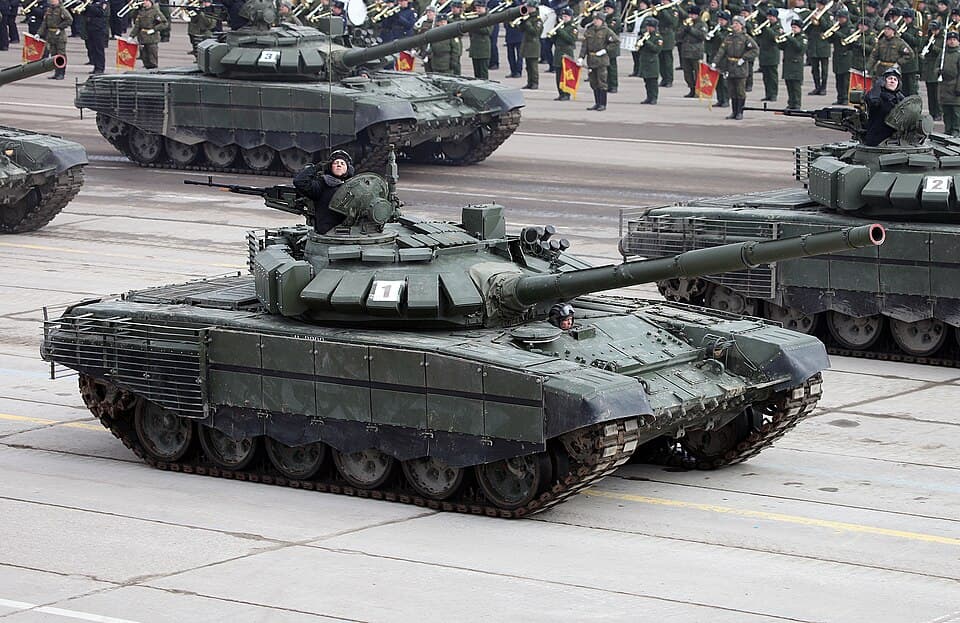
Indian Army
T-72 Ajeya
Ajeya
Family of Soviet main battle tanks that entered production in 1973.
- Role
- Main battle tank
- In service
- 1979 — phasing out