Operation Sindoor
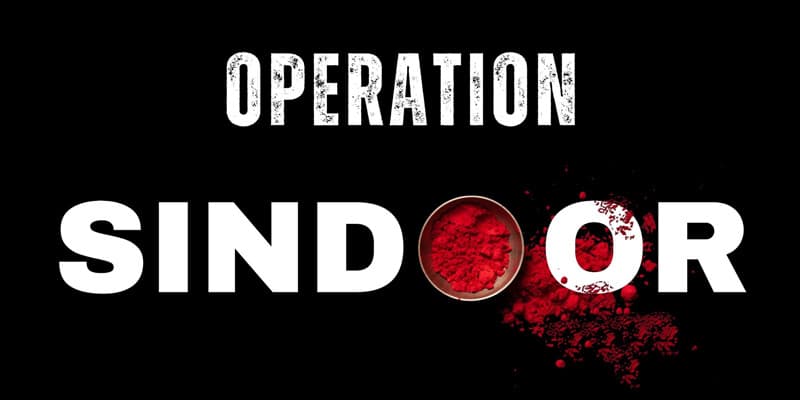
सिंदूरVermilion — the mark worn by married Hindu women
Precision strikes on nine sites, and the first combat use of India's own air-defence network.
- Dates
- 7–10 May 2025
- Theatre
- Pakistan and Pakistan-administered Kashmir
- Services
- IAF · Army · Navy
Summary
A brief armed conflict between India and Pakistan began on 7 May 2025, after India launched missile strikes on Pakistan, in a military campaign codenamed Operation Sindoor. India said that the operation was in response to the Pahalgam attack in Indian-administered Jammu and Kashmir on 22 April 2025 in which 26 civilians were killed. India accused Pakistan of supporting cross-border terrorism, which Pakistan denied.
Objective
Strike the infrastructure of the groups held responsible for the Pahalgam attack of 22 April 2025, without engaging Pakistani military formations.
Outcome
Four days of exchanges — strikes, drone and missile salvoes, and air combat — ended in a ceasefire understanding announced on 10 May 2025. Both states claimed the advantage, and independent confirmation of losses on either side remains partial.
The codename
Sindoor is the vermilion a married Hindu woman wears in the parting of her hair. The Pahalgam attack had killed men in front of their wives; naming the response for what those women would no longer wear was a deliberate act of framing, and it is the reason this operation's name carried further in India than any since Vijay.
What it tested
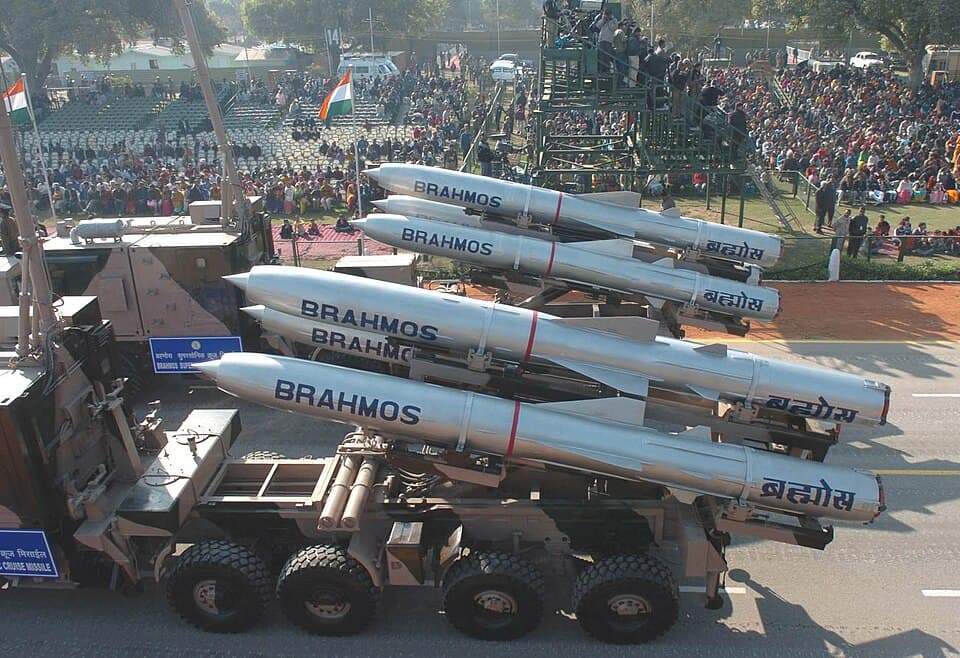
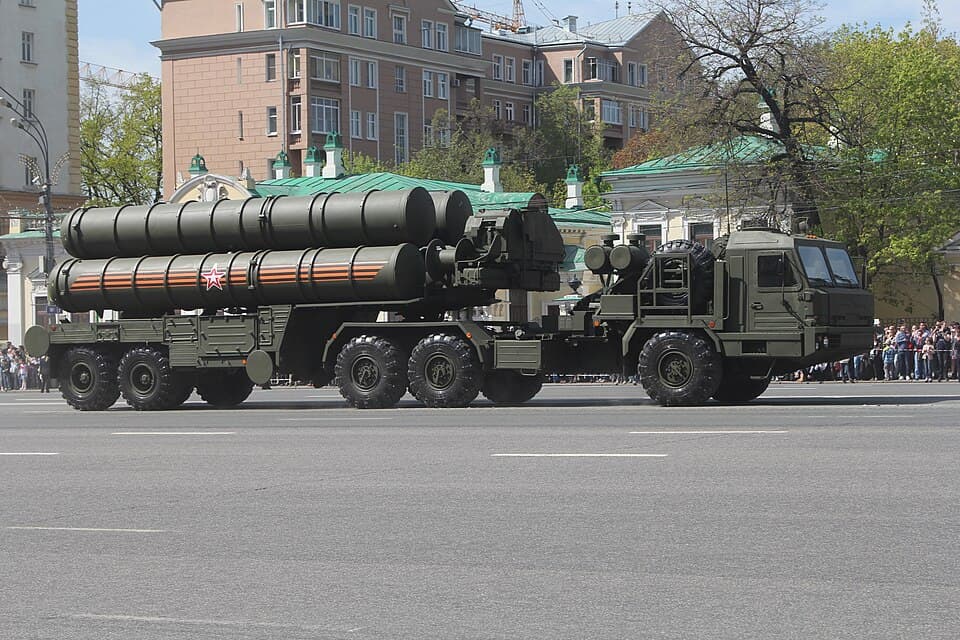
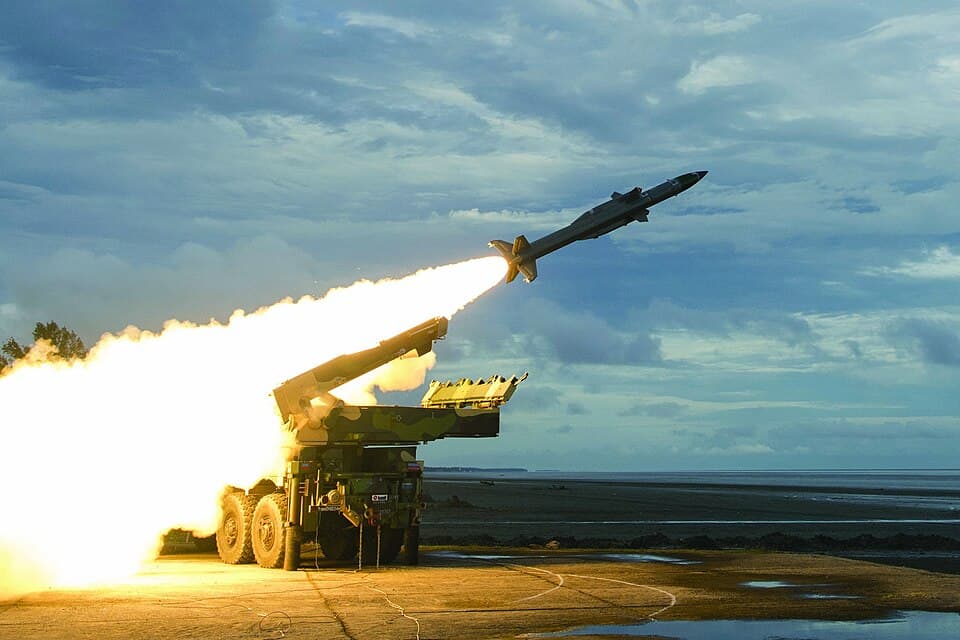
This was the first time India's layered air defence — the S-400 at the top, MR-SAM and Akash beneath it, tied together by the Akashteer control system — was used against a live and sustained air and drone threat rather than an exercise target. It was also the widest combat use of BrahMos, and the first conflict in which both sides fielded armed drones at scale.
Losses — contested
Aircraft and drone losses were claimed by both sides and independently confirmed for neither. India acknowledged losses without giving a number; Pakistani claims were higher than anything corroborated. Treat every figure in circulation as contested.
Equipment
What it was conducted with
10 catalogued platforms recorded as taking part. Not exhaustive — it lists what this catalogue holds, not everything that was fielded.
Indian Air Force
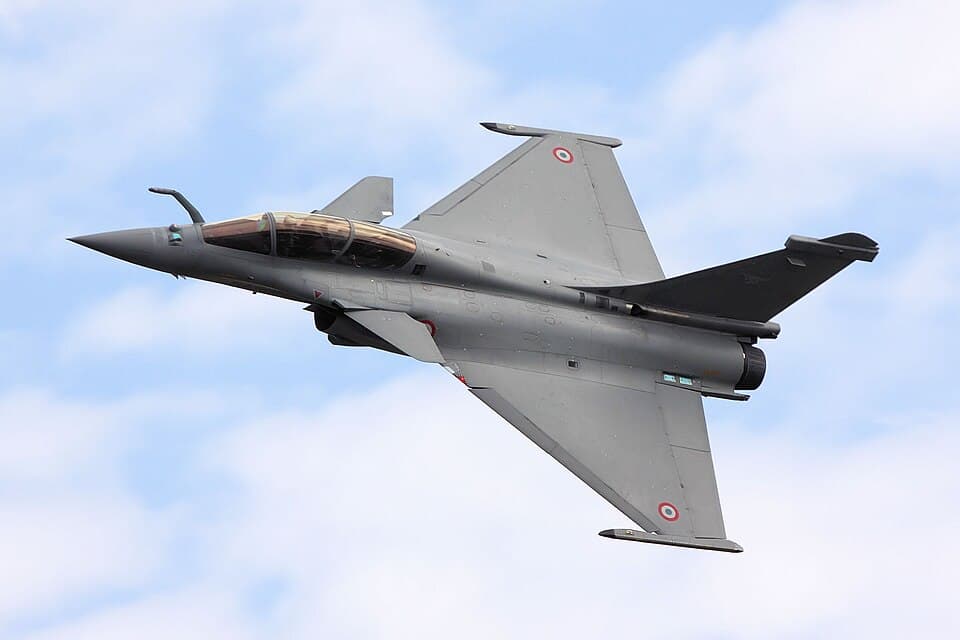
Dassault Rafale
Omnirole Warrior
India's newest 4.5-generation air-superiority platform.
- Role
- Multirole fighter
- In service
- 2020 — present
Indian Air Force
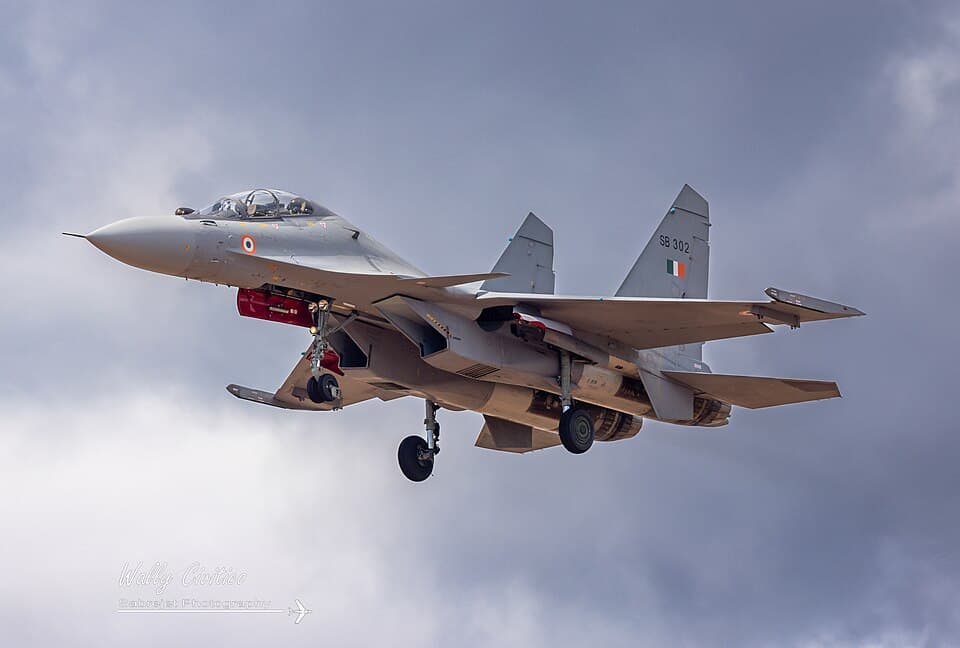
Sukhoi Su-30 MKI
Flanker-H
The heavyweight workhorse of the IAF fleet.
- Role
- Multirole fighter, air superiority fighter
- In service
- 2002 — present
Indian Air Force
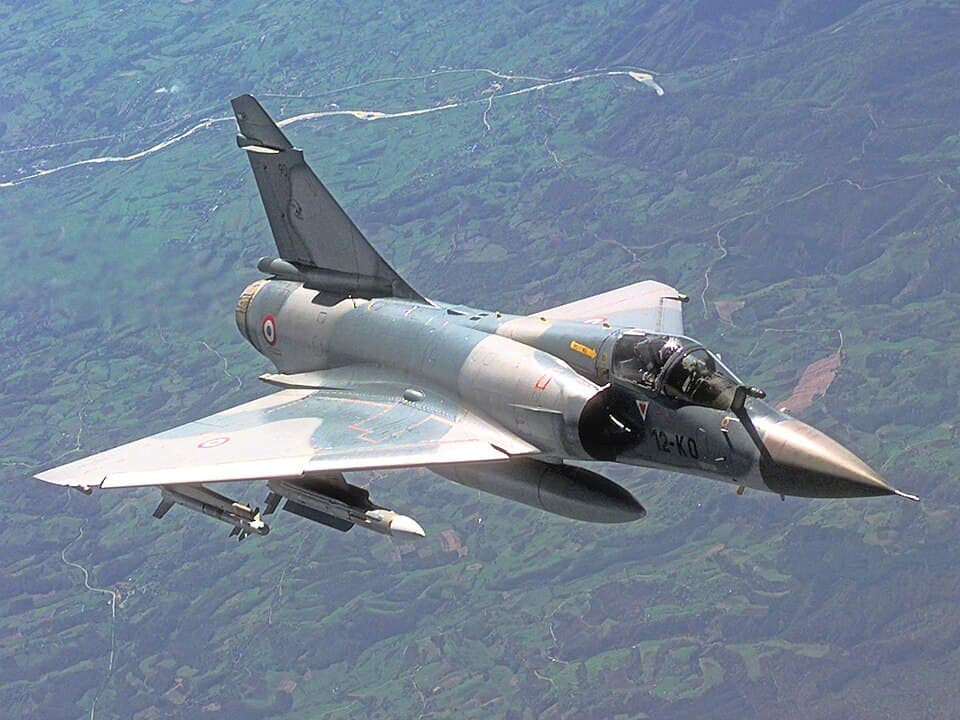
Dassault Mirage 2000
Vajra
The precision striker that hit Balakot.
- Role
- Multirole fighter aircraft
- In service
- 1985 — present
Indian Air Force
BrahMos
The supersonic cruise missile all three services field.
- Role
- Cruise missile
- In service
- 2007 — present
Indian Air Force
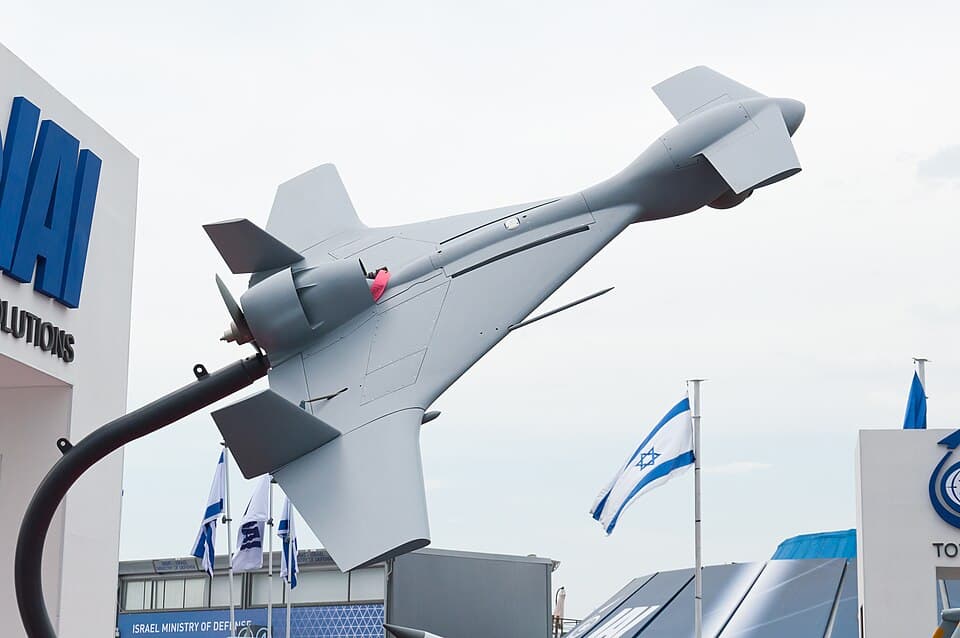
IAI Harop
Loitering munition (LM) developed by the MBT Missiles Division of Israel Aerospace Industries.
- Role
- Loitering munition
- In service
- 2009 — present
Indian Air Force
S-400 Triumf
The long-range shield over Indian airspace.
- Role
- Mobile long-range surface-to-air/anti-ballis
- In service
- 2021 — present
Indian Air Force
Akash
Indian medium-range mobile surface-to-air missile (SAM) system developed by the Defence Research.
- Role
- Mobile Surface-to-air missile system
- In service
- 2015 — present
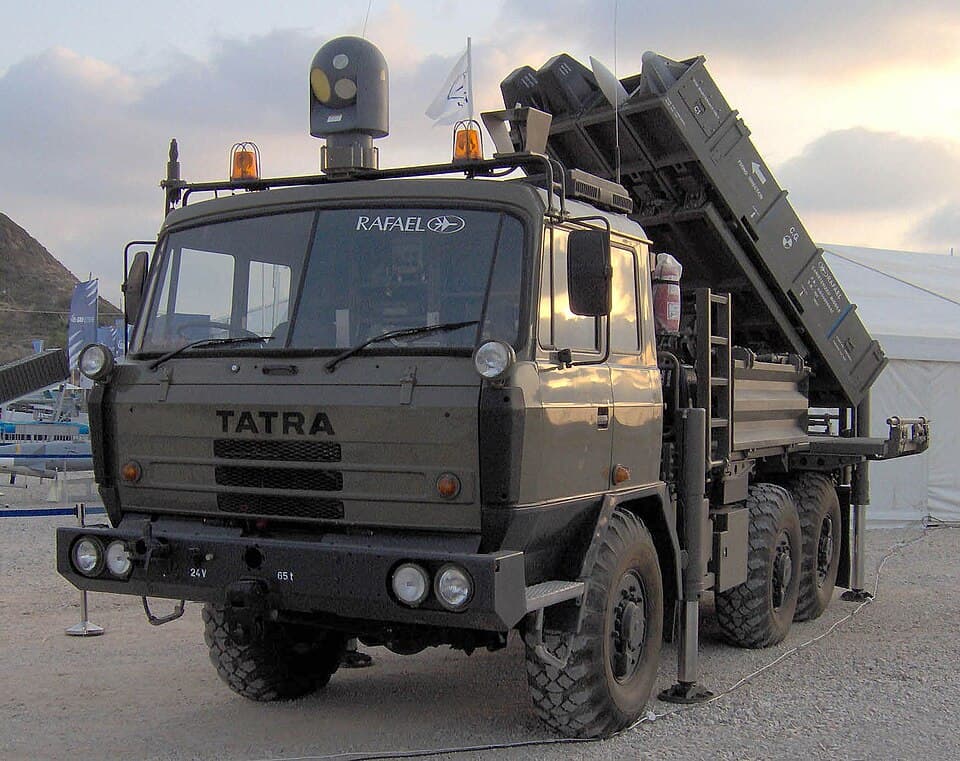
Indian Air Force
SPYDER
Israeli short and medium range mobile air defence system developed by Rafael Advanced Defense.
- Role
- Short and medium range air defence system
- In service
- 2012 — present
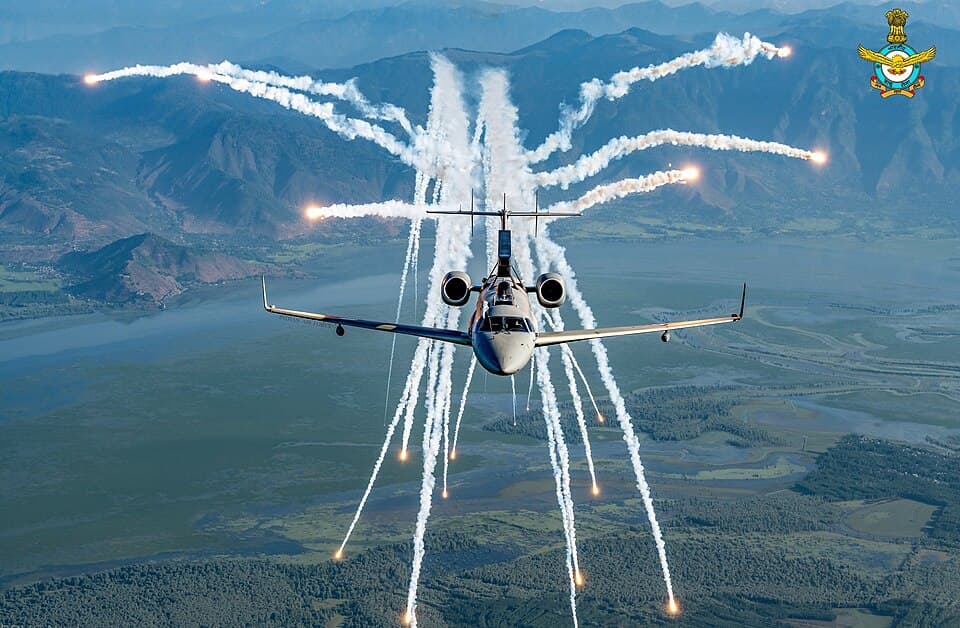
Indian Air Force
DRDO Netra
India's own airborne early warning platform.
- Role
- Airborne early warning and control
- In service
- 2017 — present
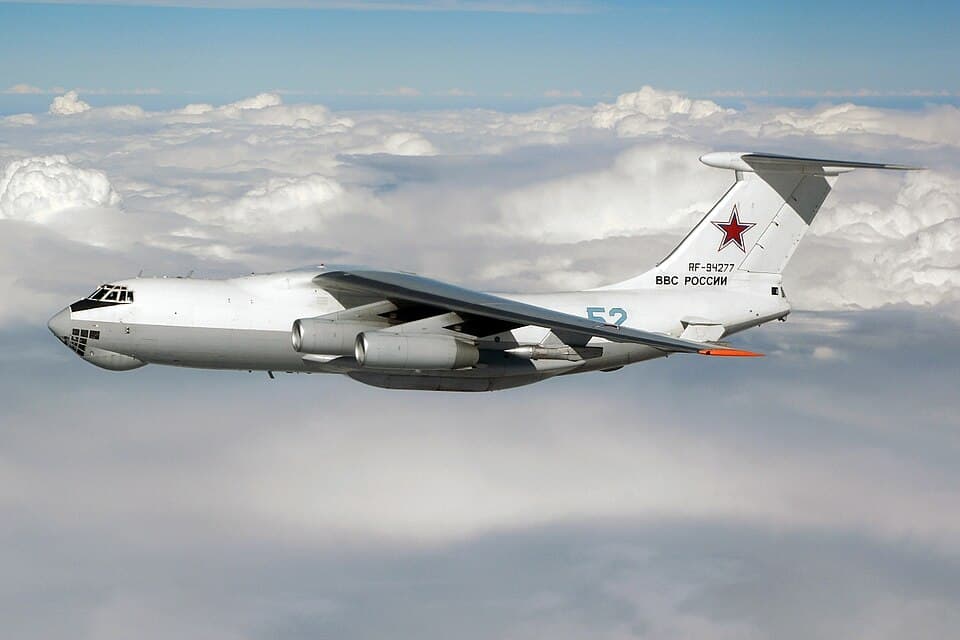
Indian Air Force
Ilyushin Il-78MKI
Soviet/Russian four-engined aerial refueling tanker based on the Il-76 strategic airlifter.
- Role
- Aerial refueling tanker
- In service
- 2003 — present