Operation Vijay (1999)
विजयVictory
Retaking ridgelines above 16,000 feet, in the highest-altitude war ever fought.
- Dates
- May – July 1999
- Theatre
- Kargil, Ladakh
- Services
- IAF · Army · Navy
Summary
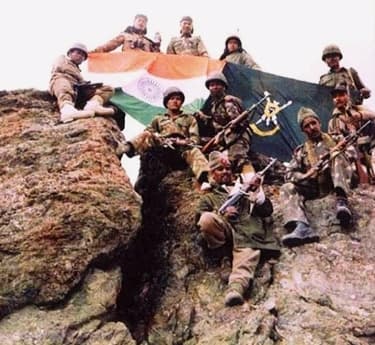
The Kargil War, also known as the Kargil conflict, was fought between India and Pakistan from May to July 1999 in the Kargil district of Ladakh, then part of the Indian-administered state of Jammu and Kashmir and along the Line of Control (LoC). In India, the conflict is also referred to as Operation Vijay (lit. 'Victory'), which was the codename of the Indian military operation in the region.
Objective
Clear Pakistani soldiers and irregulars from the heights they had occupied across the Line of Control in the Kargil sector during the winter.
Outcome
By 26 July 1999 the occupied positions had been retaken. The date is observed annually as Kargil Vijay Diwas.
The terrain was the enemy
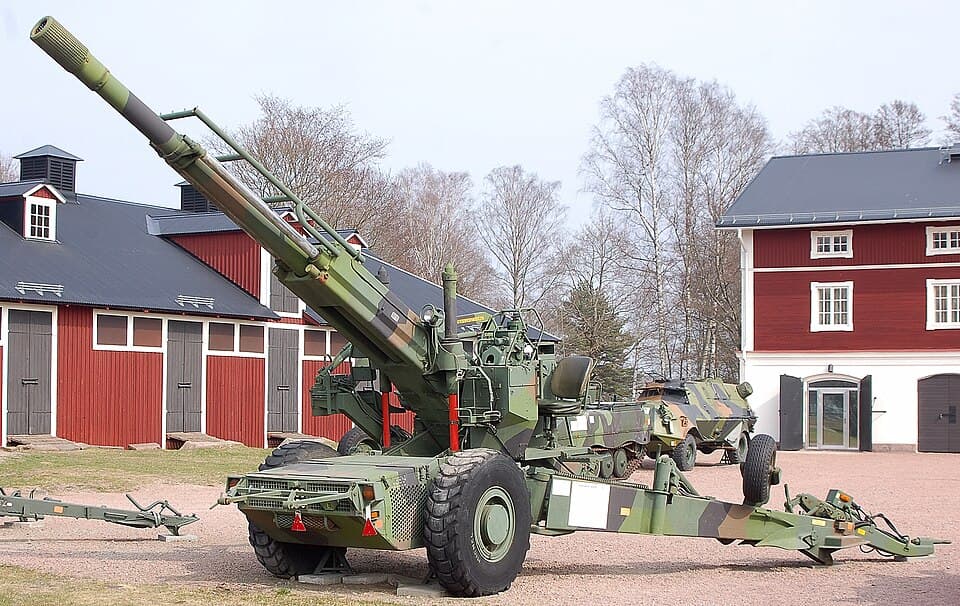
Positions sat between 14,000 and 18,000 feet. The attacker had to climb at an angle the defender was simply looking down; artillery had to be dragged to firing points that had never held guns. The Bofors FH-77B, firing in direct-fire mode against bunkers it was never designed to engage, is the single piece of equipment most associated with the war.
Air power at altitude
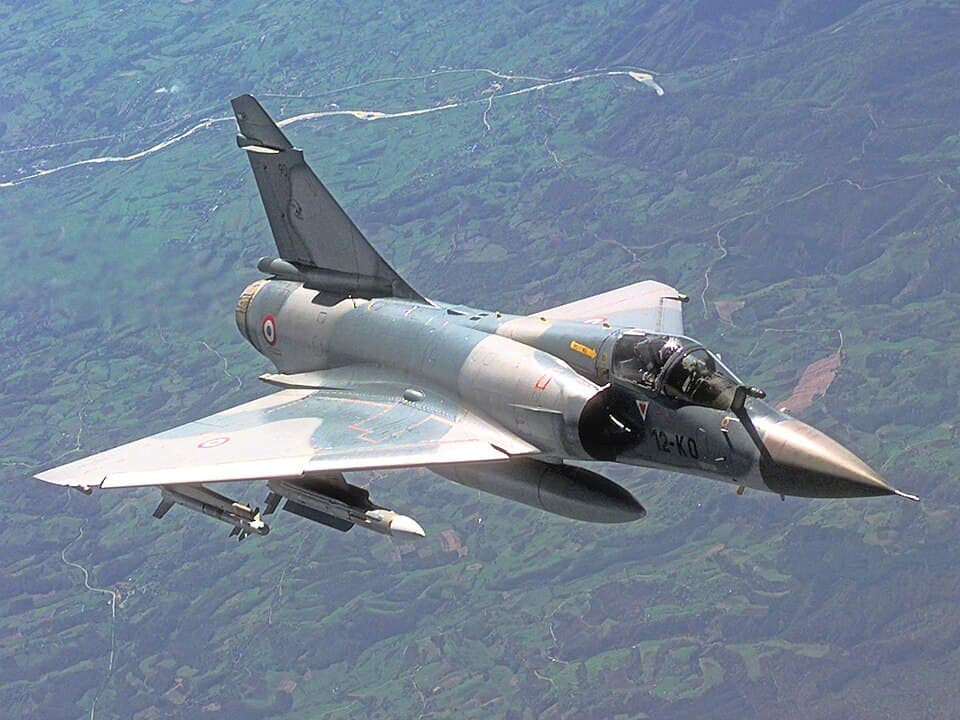
Thin air robbed helicopters and aircraft of lift and made weapons behave unpredictably. After early losses the IAF withdrew to medium altitude and gave the Mirage 2000 the task, improvising laser-guided delivery against point targets — the strike on Tiger Hill is the one usually cited.
Losses — contested
India recorded 527 dead. Pakistani figures were disputed for years and were only partially acknowledged afterwards.
Equipment
What it was conducted with
8 catalogued platforms recorded as taking part. Not exhaustive — it lists what this catalogue holds, not everything that was fielded.
Indian Army
Bofors FH-77B
Bofors
Swedish 155 mm howitzer, developed and manufactured by Bofors.
- Role
- Howitzer
- In service
- 1987 — present
Indian Air Force
Dassault Mirage 2000
Vajra
The precision striker that hit Balakot.
- Role
- Multirole fighter aircraft
- In service
- 1985 — present
Indian Air Force
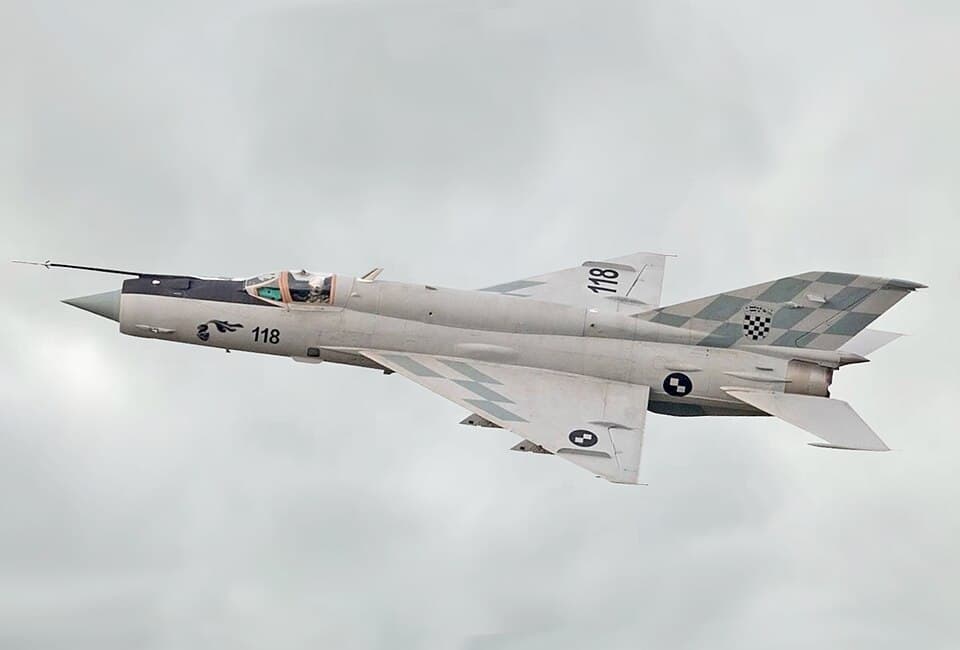
MiG-21 Bison
Supersonic jet fighter and interceptor aircraft.
- Role
- Fighter and interceptor aircraft
- In service
- 1963 — retired
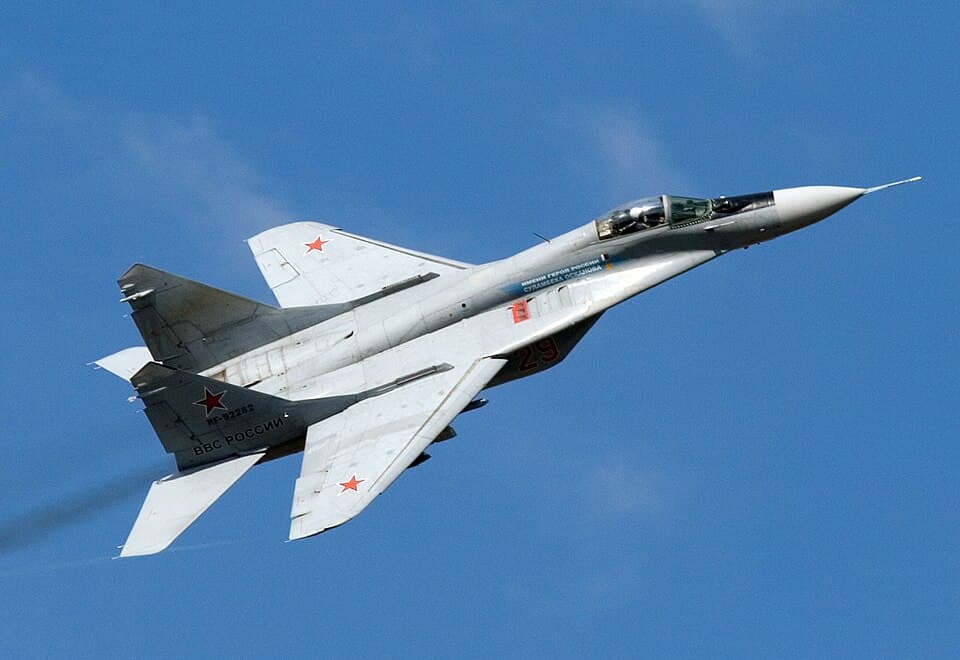
Indian Air Force
Mikoyan MiG-29 UPG
Baaz
The Falcon — India's dedicated air-dominance fighter.
- Role
- Air superiority fighter, multirole fighter
- In service
- 1987 — present
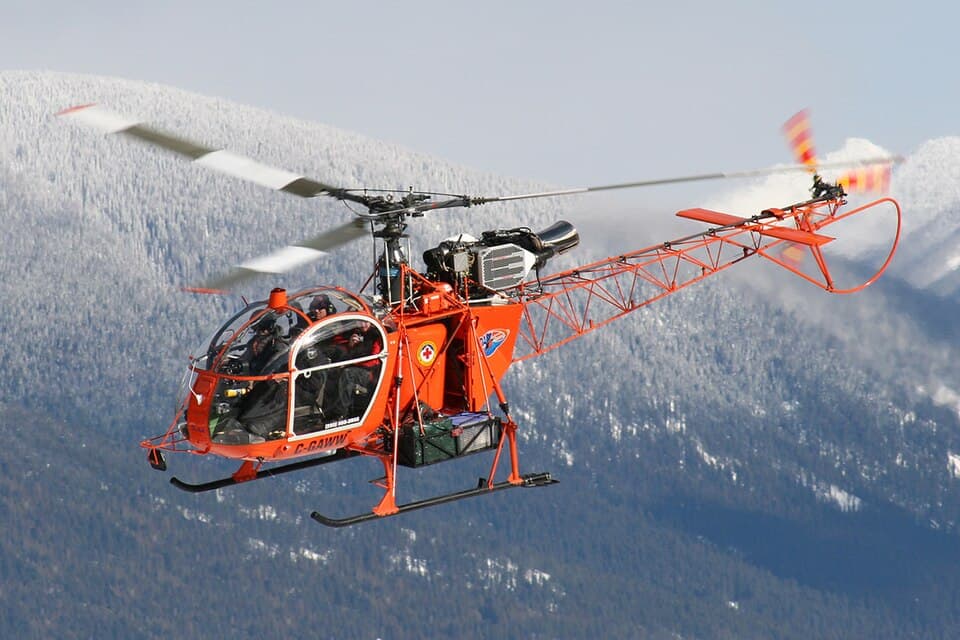
Indian Air Force
SA 315B Lama
French single-engined helicopter.
- Role
- Utility helicopter
- In service
- 1970 — present
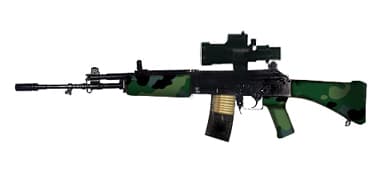
Indian Army
INSAS rifle
Family of infantry arms consisting of an assault rifle and a light machine gun (LMG).
- Role
- —
- In service
- 1998 — phasing out
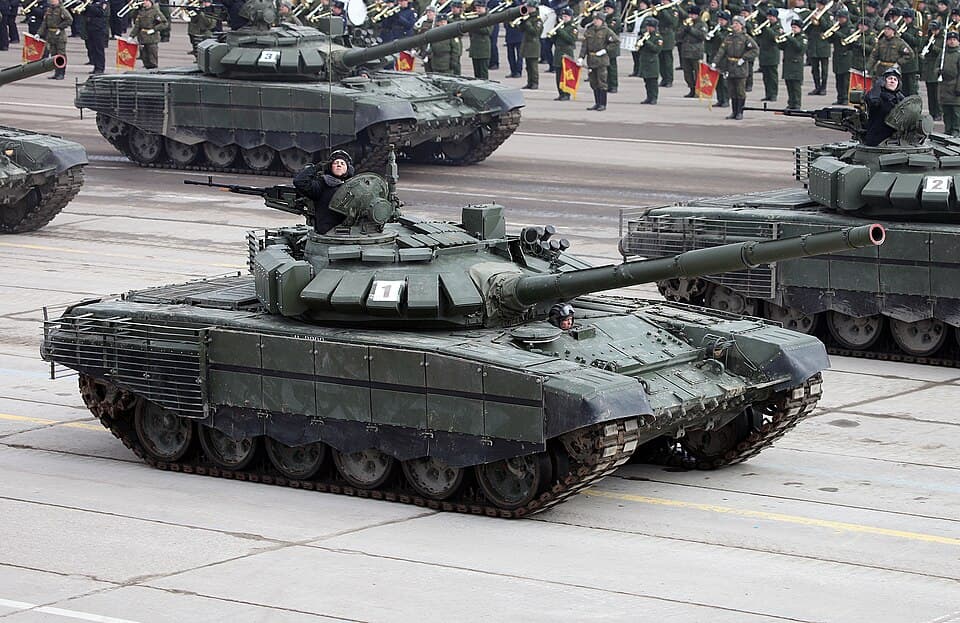
Indian Army
T-72 Ajeya
Ajeya
Family of Soviet main battle tanks that entered production in 1973.
- Role
- Main battle tank
- In service
- 1979 — phasing out
Indian Army
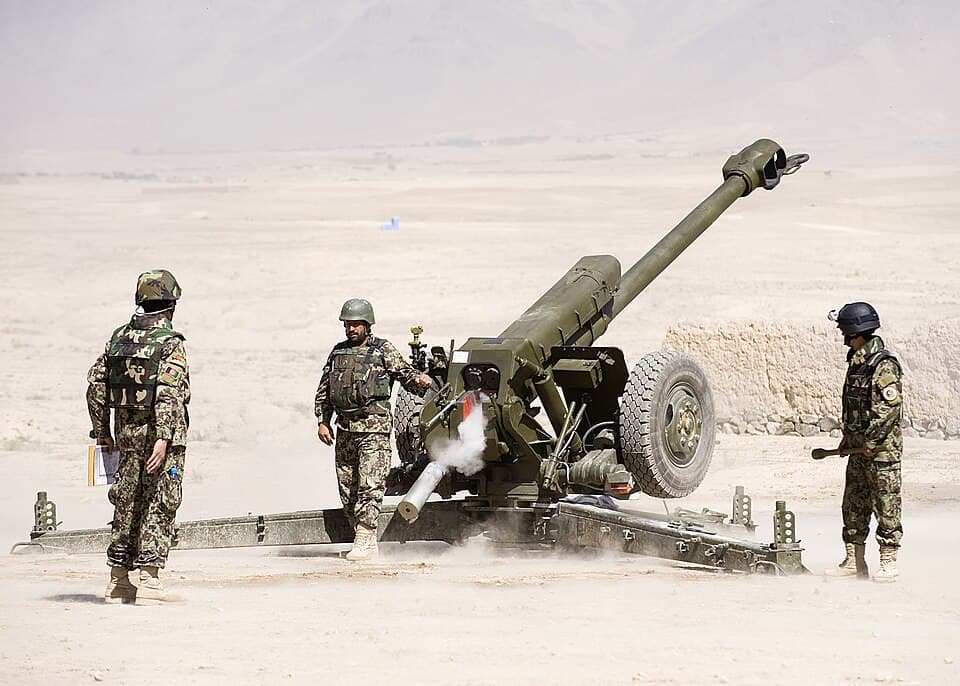
122 mm howitzer 2A18 (D-30)
Soviet howitzer that first entered service in 1960.
- Role
- Howitzer
- In service
- 1972 — present